Study Abroad in Malta
[ Home ] ⪢ Study Abroad ⪢ Malta

Study in Malta
- Apply without IELTS
- Low cost of living
Anex Overseas is a pioneer in providing services for Malta Student Visa. We provide profile evaluation for Malta student visa, University & Course selection, Application Process, Post Admission Services, Visa Application & Post Visa services.
Discover Malta
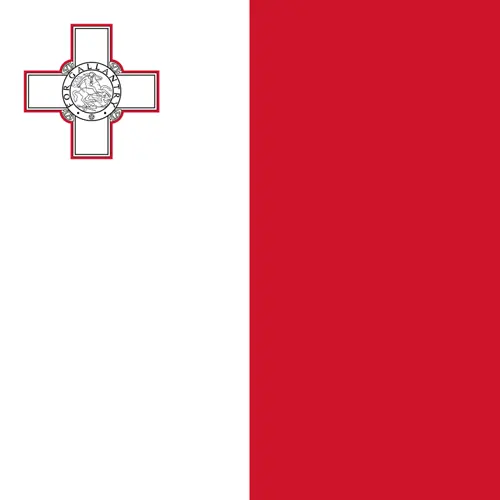
Malta is a Southern European island nation in the Mediterranean, off the coast of Sicily (Italy) and close to Tunisia and Libya. The small country is home to a population of just over 500,000 people.
Malta belonged to the British empire from 1814 from 1964. During that time, the British imposed the use of English as an official language. And it still is, alongside Maltese: Roughly 90% of the population speak English, and Malta is a popular destination for students seeking English language courses.
Career Opportunities
Post-Study Work Visa
After completing your studies in Malta, you can apply for an 18-month post-study work visa (Aufenthaltserlaubnis) to search for a job related to your field of study.
High Demand for Skilled Professionals
Malta has a strong demand for skilled professionals in various industries, including engineering, IT, healthcare, and finance. Graduates in these fields often find ample job opportunities.
Blue Card for Highly Skilled Workers
If you secure a job with an annual salary above a certain threshold, you can apply for the EU Blue Card. This card provides residence and work rights in Malta and other EU countries.
Strong Economy
Malta boasts one of the largest and most stable economies in Europe. This economic strength translates into a wide range of job opportunities.
Research and Innovation
Malta is a global leader in research and innovation. Graduates with research skills are highly sought after in academia and industry.
Multinational Companies
Many multinational corporations have their headquarters or regional offices in Malta, offering career prospects for international graduates.
Language Proficiency
While many jobs are available in English, having proficiency in Malta can significantly expand your job prospects, especially in smaller companies and certain sectors.
Internship and Cooperative Programs
Malta universities often have strong ties with local companies and offer internship and cooperative programs, giving students practical experience during their studies.
Networking Opportunities
Malta provides a vibrant networking environment, with various industry events, conferences, and meetups that can help you connect with potential employers.
Start-up Scene
Malta has a growing start-up ecosystem, particularly in cities like Berlin and Munich. Graduates with entrepreneurial aspirations can explore opportunities in this sector.
Quality of Life
Malta offers a high quality of life, with excellent healthcare, education, and public services. It's also known for its work-life balance, making it an attractive place to build a career.
Global Mobility
A career in Malta can open doors to opportunities not only in Europe but also worldwide, given its strong global economic ties.
Job Security
Malta labor laws often provide strong job security, with legal protections for employees.
Skill Enhancement
Working in Malta allows you to enhance your skills and gain valuable international experience, making you more competitive in the global job market.
Research Funding
Malta invests significantly in research and development, providing opportunities for researchers and scientists to contribute to cutting-edge projects.
Why Study in Malta?
Every year hundreds of international students migrate to Malta for their further studies. One of the main reasons students get attracted to this small nation is because of its excellent standard of education. Here we have combined some of the reasons for choosing Malta as your study abroad destination:
- English is an official national language in Malta. This is a good opportunity for students who are not fluent in other international languages, yet can study in English in Malta.
- Malta has very friendly, respectful and well-educated people in most cases. Thus it has a low crime rate which makes it a safe country for international students.
- Malta is one of the cheapest countries to live and study. Prices for accommodation and food are much affordable than in other parts of Europe. So you can study in malta at low cost.
- The High quality of the programmes and the presence of international educational institutions in Malta makes it one of the most sought after countries for international students.
- Malta has a well-established reputation for academic excellence and degrees obtained here are recognized all over the world.
- Most of the students choose Malta for graduation studies because of its low unemployment rate. The country has good job opportunities after completing of course.
Top Courses to Study in Malta
What do you want to study abroad?

MBA in Malta

Science in Malta

Arts in Malta

Management in Malta

Information Technology(IT)

Education & Training

Engineering in Malta

Medicine and HealthCare

Hospitality & Tourism

Banking & Finance

Media Films

Law in Malta
Admission Requirement
All academic documents: 10th and 12th mark sheets
Bachelor’s all marks sheets
Statement of Purpose (SOP)
Experience certificate
English proficiency test scorecard
Letter of Recommendation (LOR)
IELTS score minimum 5.0 bands
TOEFL score minimum 79
PTE score minimum 52
How to study in Malta
The procedure to study in Malta is simple. You will have to follow a fixed procedure. Here, we have mentioned 7 easy steps for you :
- Research online and Choose a suitable university and course in Malta.
- Check the eligibility criteria and documents requirements for the specific course
- Fill the application form correctly and submit it along with the other supporting documents.
- Once the Maltese university accepts your application, it will issue an admission letter.
- After receiving the admission letter, apply for a student visa.
- Get your visa and prepare your departure
- Arrive in Malta and attend your classes.
Study in Malta without IELTS
Generally, there is thought that international students would need to submit their IELTS score for admission to the universities of Malta. Students see this as a big barrier in their study abroad in Malta. But the good news is you can also study in Malta without IELTS.
With the help of Medium of Instruction letter (MOI), you can take admission in your desired courses without IELTS. A Medium of Instruction letter is a document that confirms the language of instruction used throughout your last degree or education programme is English. Here are the 5 top universities that do not have a mandatory TOEFL/IELTS requirement.
- American University of Malta
- Global College Malta
- The Malta College of Arts, Science and Technology
- The London School of Commerce Malta
- Learn key Malta
Scholarships to study in Malta for international students
Studying in another country leaving your home country can be expensive. Many international students want to study in Malta, but due to lack of funds, they drop the idea. If you are among them, let us tell you that there are plenty of scholarships available in Malta for international students. Here we have listed a few of them:
- Endeavour Scholarships Scheme
- Tertiary Education Scholarship Scheme (TESS)
- Malta Arts Scholarships
- Reach High Post-Doctoral Grants
- Malta Financial Sector Scholarship Scheme
- Malta Sports Scholarships Scheme
- The University of Malta Master by Research and PhD Programs Scholarships
- Malta Scholarship for Doctoral Program European University Institute, Fiesole, Firenze
Student Visa for Malta
Students coming from the EU region, the US do not require a visa to study in Malta for less than 3 months. If the plan is to stay for longer or students coming from expecting these countries should apply for the visa. You can apply at your nearest Maltese embassy or consulate. For applying you will need a few documents. Here are the visa requirements for Malta:
- Completed visa application form
- A valid Passport
- Two passport-size photographs
- Proof of sufficient funds to cover tuition fees and living expenses while studying in Malta
- Letter of acceptance from a Maltese educational institute
- Proof of accommodation arrangements on arrival
- Proof of medical insurance
Once you arrive in Malta, you will need to apply for an e-residence document. This requires many of the same documents and supporting materials as listed above.
Study and work in Malta
Yes, international students can work while studying in Malta. To work legally students must apply and get an employment licence. This licence will allow them to work during their semesters. The employment licence takes approximately 4 – 6 weeks to be granted, after which the student can begin working. However, there are a few conditions which you should take note of :
- You can apply for an employment licence only after obtaining a study visa for the period beyond the first 90-day.
- You cannot work in their first 90 days in Malta while attending a course.
- You need to get a job as you will need a job letter to complete the application form together with your employer.
- You must continue to attend your classes a minimum of 15 hours per week.
- You are allowed to work only up to 20 hours per week.
- You cannot stop studying and only work using your employment licence.
Keep in mind that if you are changing the job or employer, you will need to apply for a new licence with their new employer.
Cost of studying in Malta
There are both types of universities in Malta, public and private universities. Public/ government universities charge lower tuition fees than private universities. The actual tuition fees vary wildly depending on the university and course you choose. On average tuition fee can be from 2,000 to 9000 EUR. For the accommodation and other basic living expenses, On average you can expect to pay as low as EUR 300 per month.